
Deborah Parente
Thank you so much for allowing me to participate in this Westford Common Hall (WCH) art showing. I have enjoyed taking photos of landscapes and nature for a number of years but did not get serious about this form of expression until about ten years ago. Then, retirement gave me the space and opportunity to focus on photography even more.
My primary interest recently has been capturing the essence of birds in my travels, backyard and around Vermont. My goal is not to just take a picture of a bird, but rather to reveal the beauty of their feathers, beak, eyes and overall lives, behavior and habitats. It is a challenging endeavor because their speed and movement are unpredictable and an understanding of them, my equipment, and photo techniques is necessary to improve the success of the images.
What I have displayed at WCH is a sample of my collection from Africa, Costa Rica, Florida and Vermont. I hope you enjoy!
To inquire about purchases from the exhibit or other images, contact me at Birds@vtnyco.com.
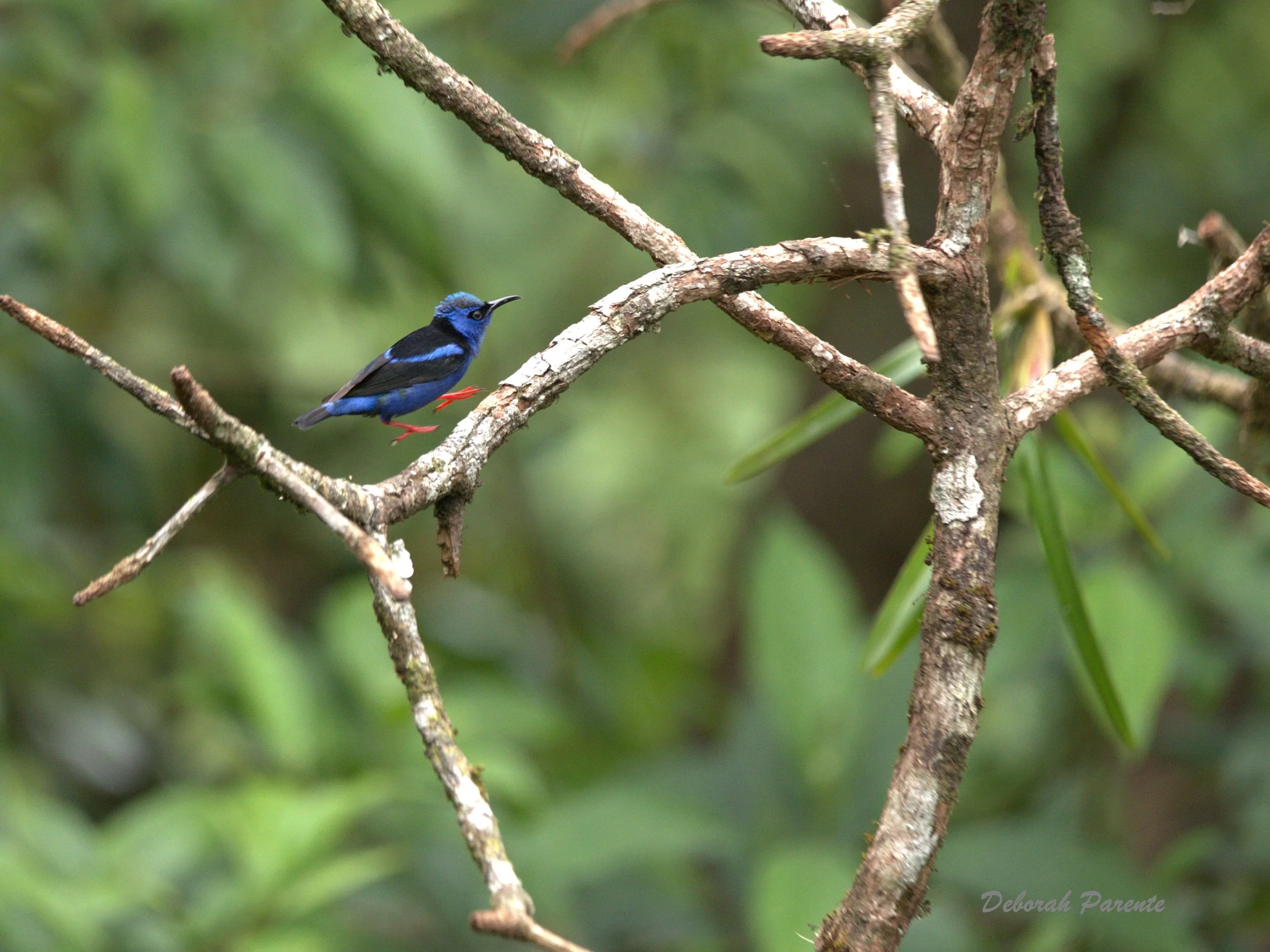
The Red Legged Honey Creeper is found in the tropics. I saw it in Costa Rica this year and I love the turquoise crown and bright red legs of this small male bird. It seemed to hop along the branch while capturing insects so I tried to capture it in mid-air.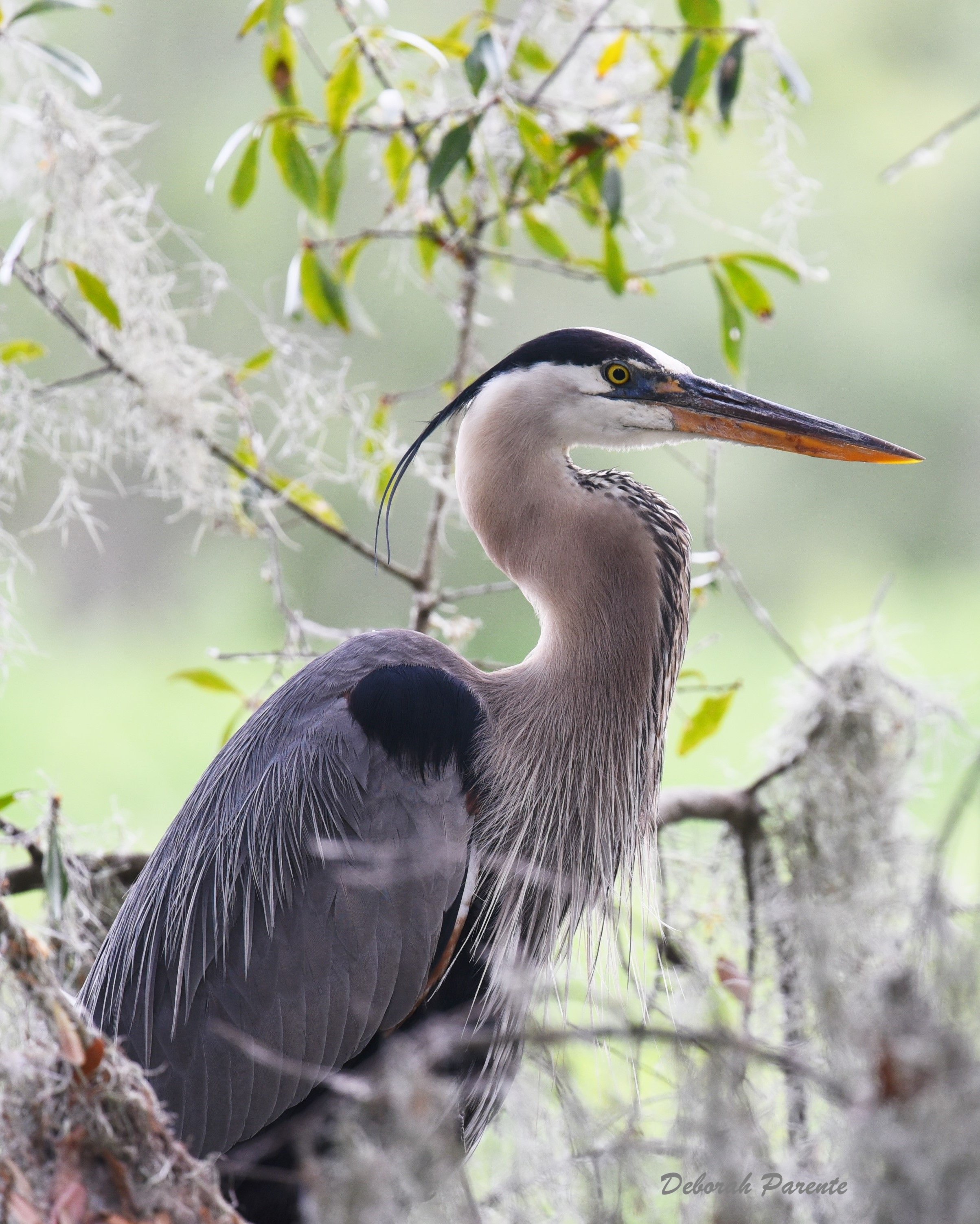
I took this photo of the Great Blue Heron in Florida. Generally you find them in a wetland area and can watch them fish for food, even around Lake Champlain. I found this Heron nesting in a tree. You can see its beautiful blue feathers against the gossamer Spanish moss surrounding. Quite a large majestic bird.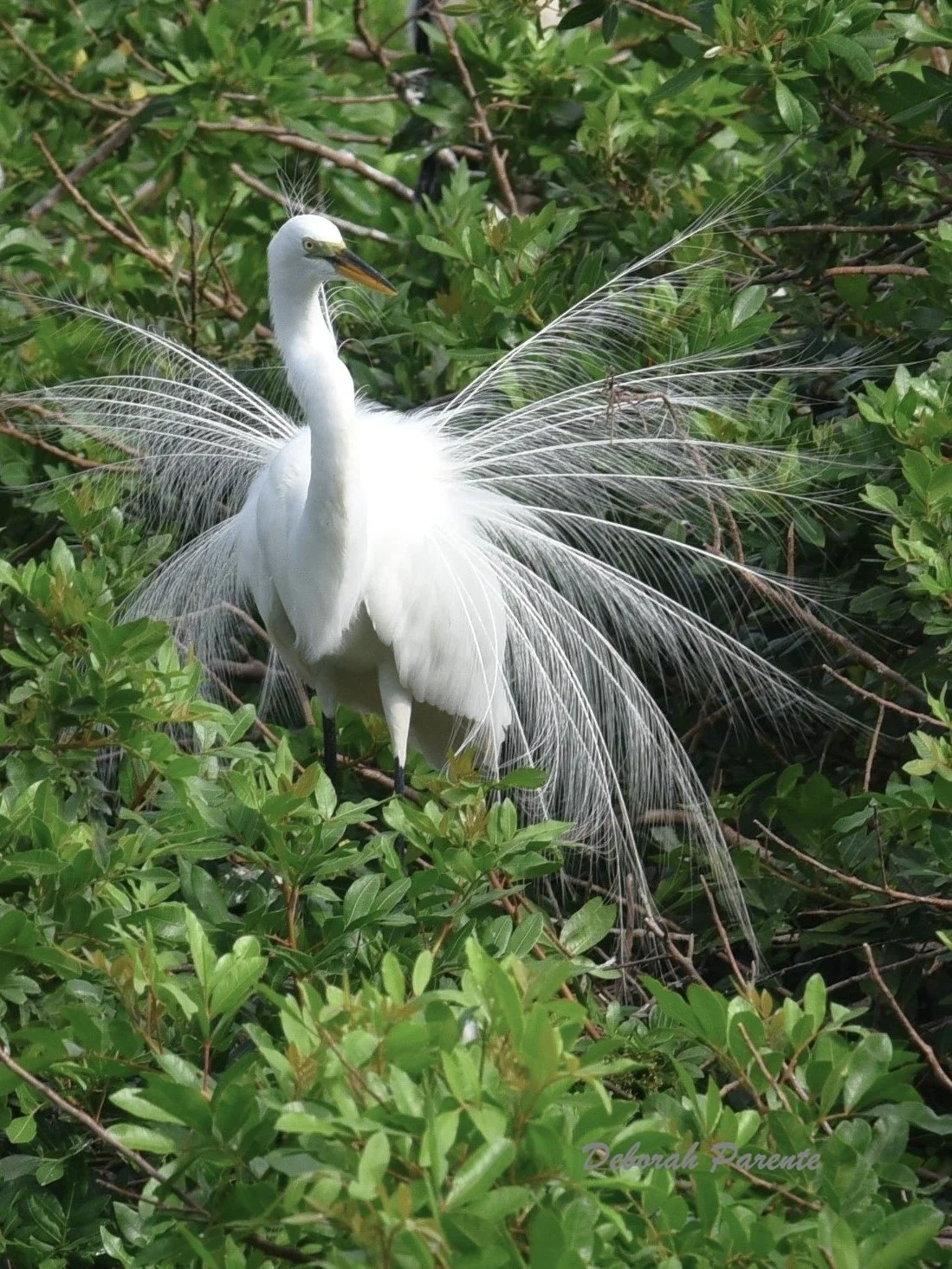
This Great Egret is in full breeding plumage, used in courtship displays. I found this particular one in a Southwest Florida rookery. The band across the eyes which is generally yellow is green during the breeding season. This is another wading bird that can even be found around Lake Champlain.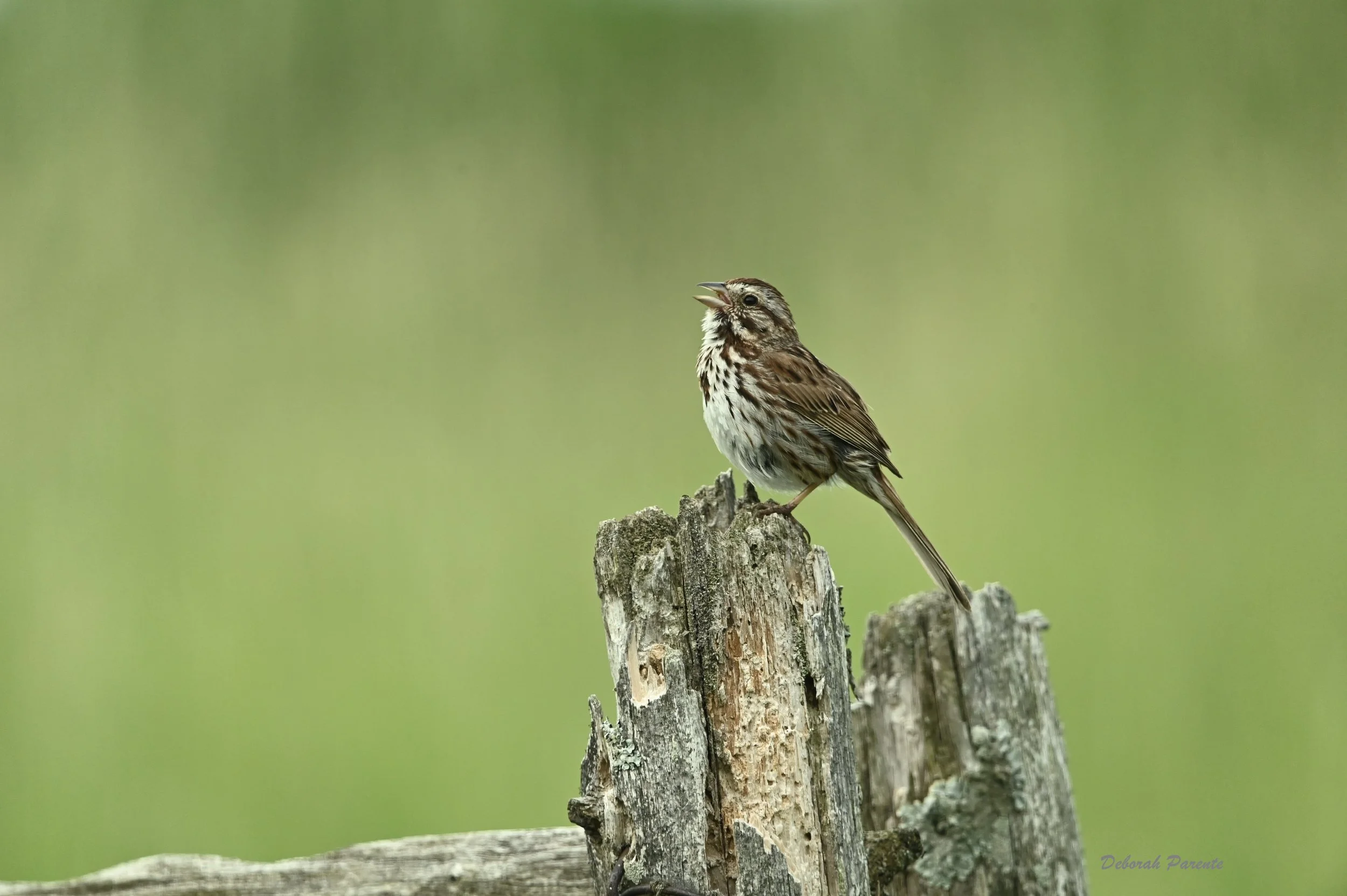
Everyone surely recognizes the Song Sparrow. Though I see many of them in my backyard, I photographed this particular one while walking in Shelburne Farms. First, I heard its sweet song, then spotted it resting on a fence post singing its little heart out. 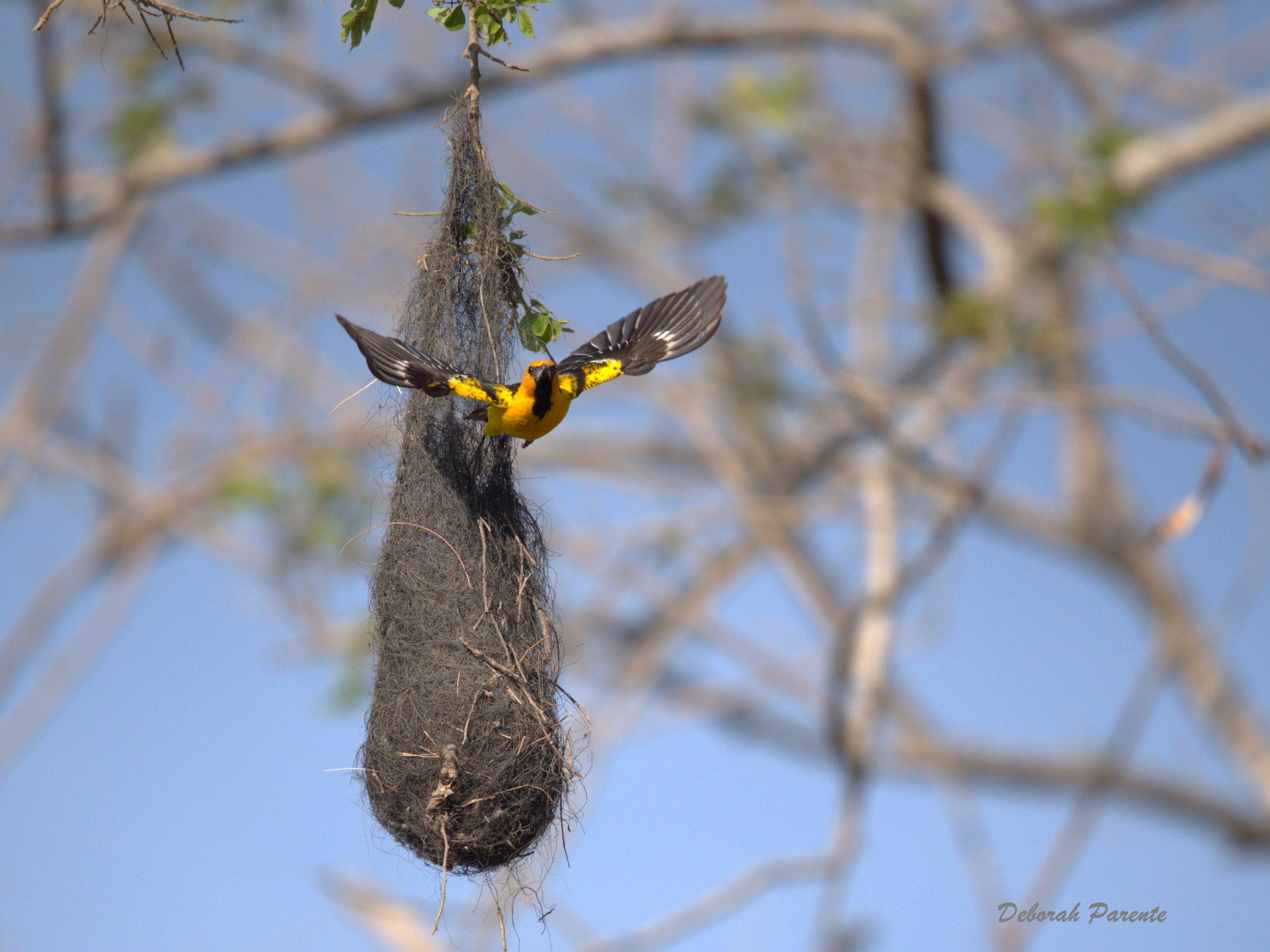
The Streak-Backed Oriole is native to Central America and Mexico. I saw this one building a nest in Costa Rica. I enjoyed watching what seemed like a flash of light as it worked tirelessly finding and installing materials to complete the oblong home.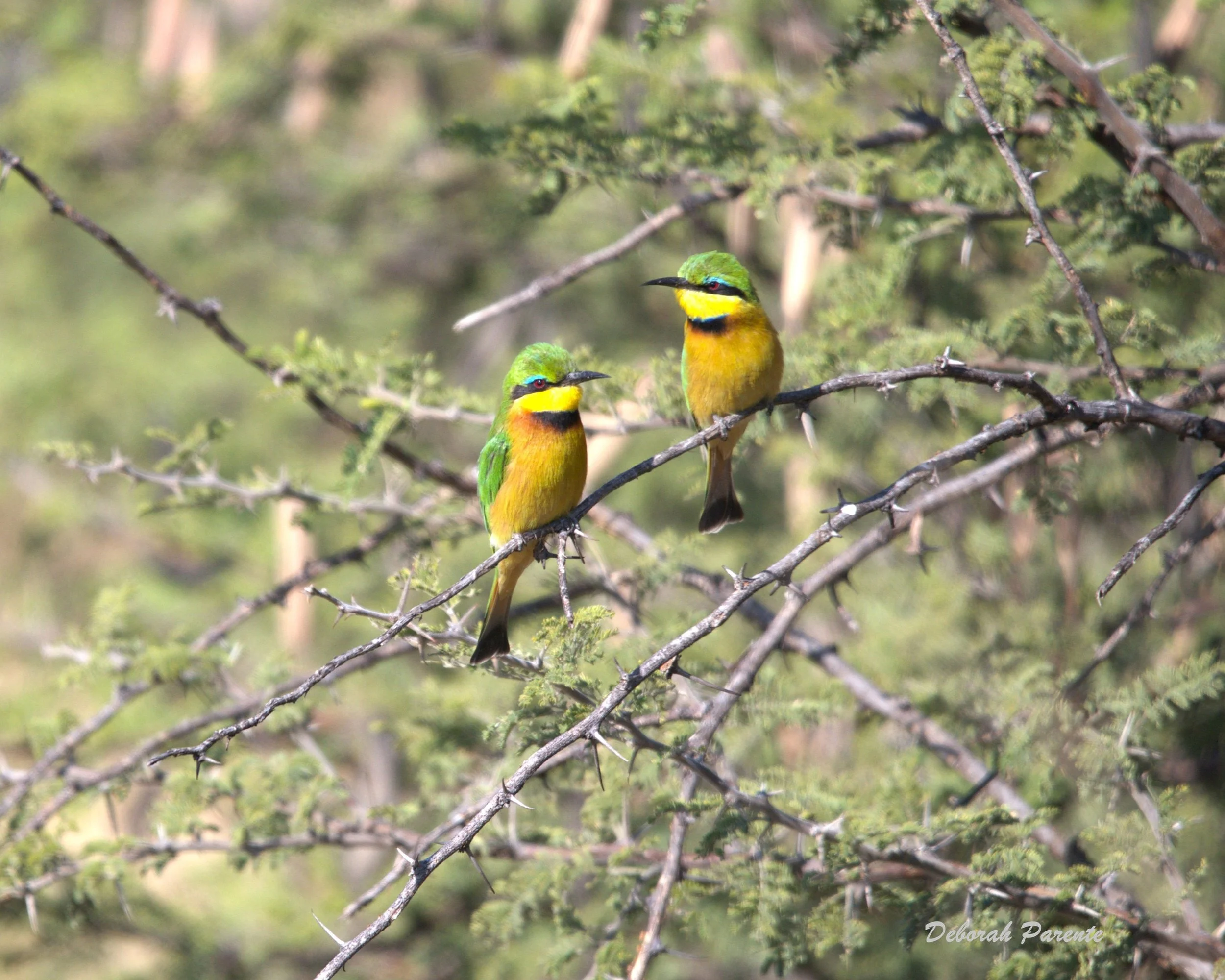
These Little bee-eaters were found while on my trip in Botswana, Africa a couple years ago. They like to roost together on these thorny bushes that give them protection from predators.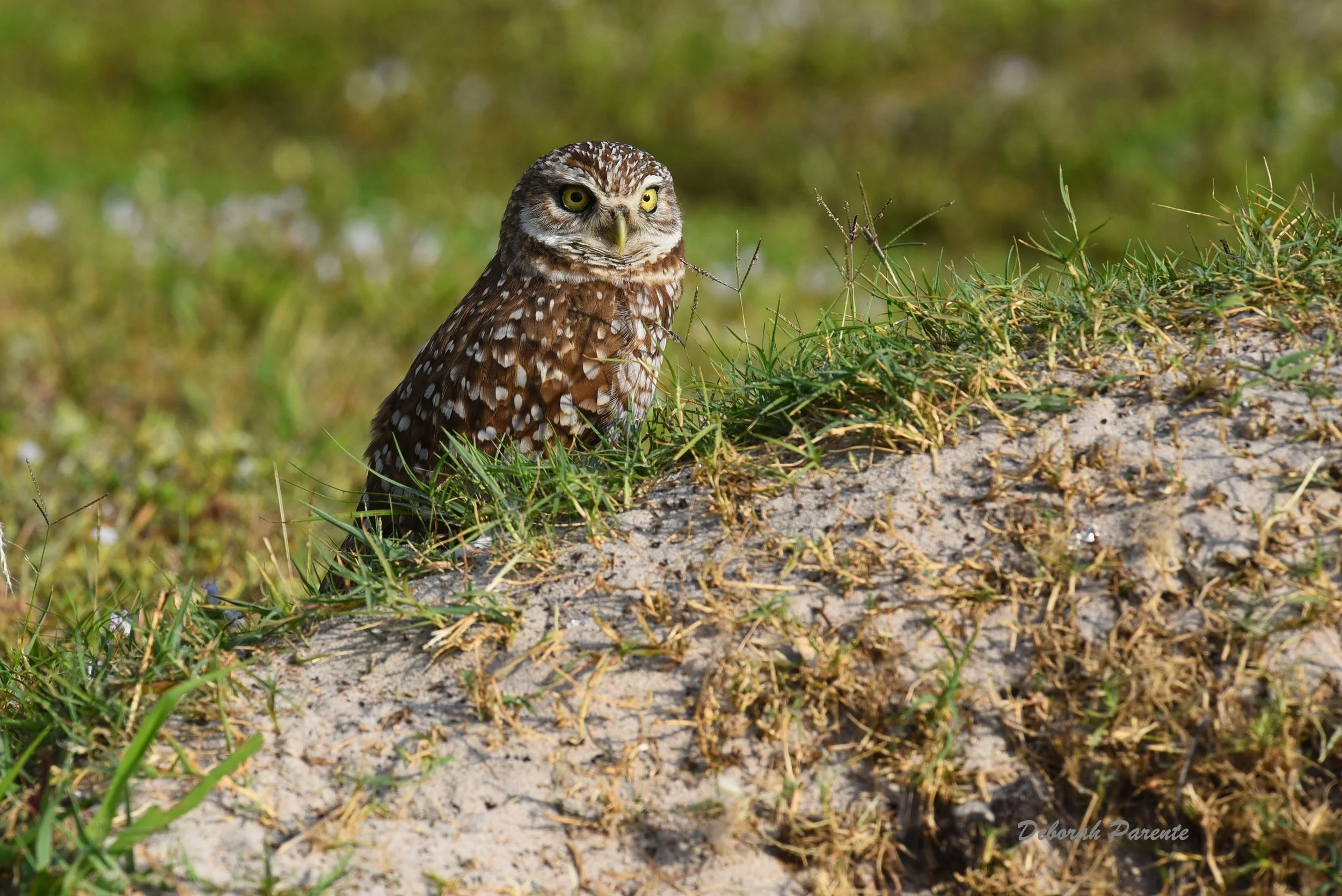
This Burrowing Owl was also found in Florida in a grassland area. I had been observing a family of them for some time when one popped out of its burrow right in front of me. Notice it’s beautiful yellow eyes.